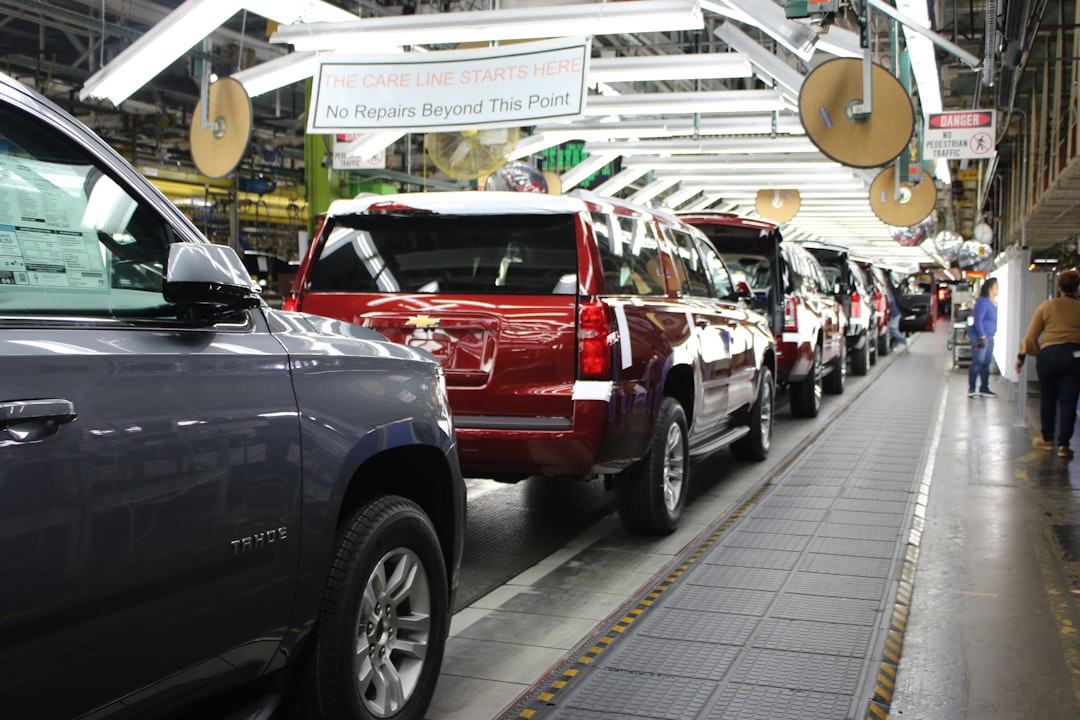
Kuala Lumpur — Two and a half months of idled assembly lines ended on 16 August 2021, but the automotive sector’s real test is just beginning. Plants and showrooms across Malaysia flicked the lights back on under a government relaxation order issued 10 August. The question now: can the industry convert pent-up demand into actual sales before a tax holiday expires on 31 December?
The stakes are concrete. MIDF Research, in a 26 August note to clients, called it a “sustainable recovery” — but only if vaccination thresholds are hit and deferred demand returns. Klang Valley, the country’s biggest vehicle market at 41 percent of total industry volume, had fully vaccinated 64 percent of its adult population by the third week of August. That number matters. If the jab rate stalls, showrooms in that region stay quiet, and the recovery stalls with them.
Assemblers have a head start. Ports stayed open during the lockdown, so completely-knocked-down kits — the parts that become cars on the line — are “well stocked,” MIDF said. That means production can ramp fast. Showrooms, too, are sitting on orders placed two to four months before the restrictions. These are not speculative bookings; they are pipeline orders. Customers waited. Now they can collect.
But waiting has a cost. The sales-tax holiday that runs through year-end is the sharpest near-term incentive MIDF sees. Combined with low interest rates and cash transfers under the Pemerkasa+ stimulus package, the brokerage argues the waiver can pull forward purchases that were postponed during the lockdown. If buyers hesitate, if the vaccine rate dips, if the economic drag from the shutdown lingers — that December deadline becomes a cliff edge, not a cushion.
MIDF has “buy” calls on three stocks: Bermaz Auto Bhd at a target of RM 2.20, MBM Resources Bhd at RM 4.20, and UMW Holdings Bhd at RM 4.30. The logic is plain: retail reopening should convert pent-up bookings into revenue before the incentive runs out. These are not speculative picks. They are bets on execution — on showrooms actually selling cars, on plants actually building them, on supply and demand moving in tandem.
What is at risk is not just quarterly earnings. The automotive value chain — assembly, distribution, retail — was frozen since early June. A two-and-a-half-month gap in production creates a hole that takes months to fill. MIDF expects the industry to claw back lost volume progressively. Progressively is the key word. Not overnight. Not all at once.
The government’s 10 August order allowed every link in that chain to restart. Plants reopened with stocked kits. Showrooms reopened with back orders. But recovery is not guaranteed. It depends on vaccine rates holding in Klang Valley, on the tax holiday pulling its weight, on buyers actually showing up. The research house’s language is careful: “sustainable recovery” once thresholds are met. That is a conditional statement. Conditions have not all been met yet.
What happens if they are not? The deferred demand that MIDF counts on could stay deferred. The tax holiday expires. The stimulus cash runs out. And the industry faces a restart that never quite takes off. That is the real story here — not the reopening itself, but what it depends on. A vaccine rate. A deadline. A buyer’s willingness to walk through a showroom door.